
Pet Care Tips & Info
Why Does My Pet Need an Ultrasound in Doral?
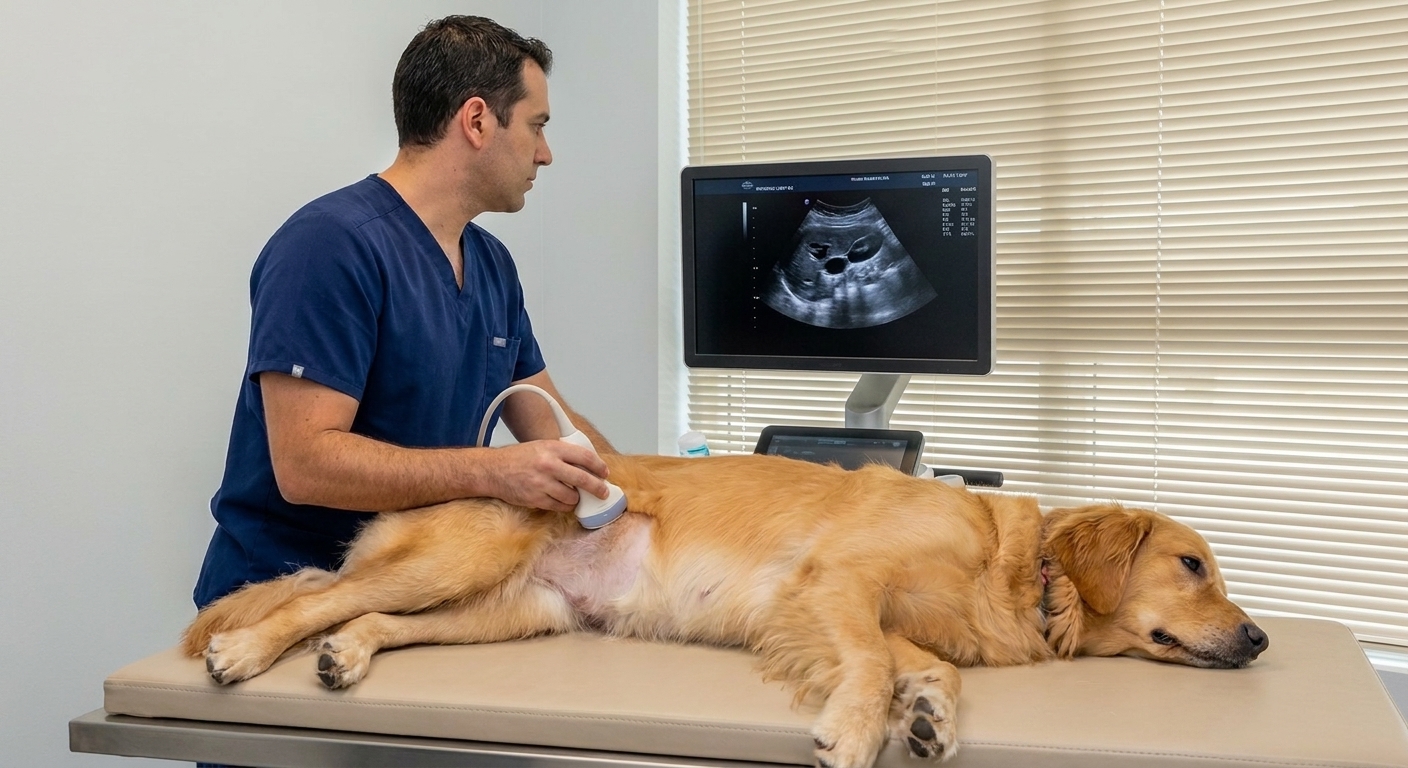
Most pet owners hear "ultrasound" and think pregnancy. Or maybe they picture hospital dramas and emergency rooms. But in Doral, veterinary ultrasounds are solving problems you'd never catch with your eyes or your hands—and they're doing it without a single incision. If your vet recommends one, there's a reason. And it's not just to add a line item to your bill.
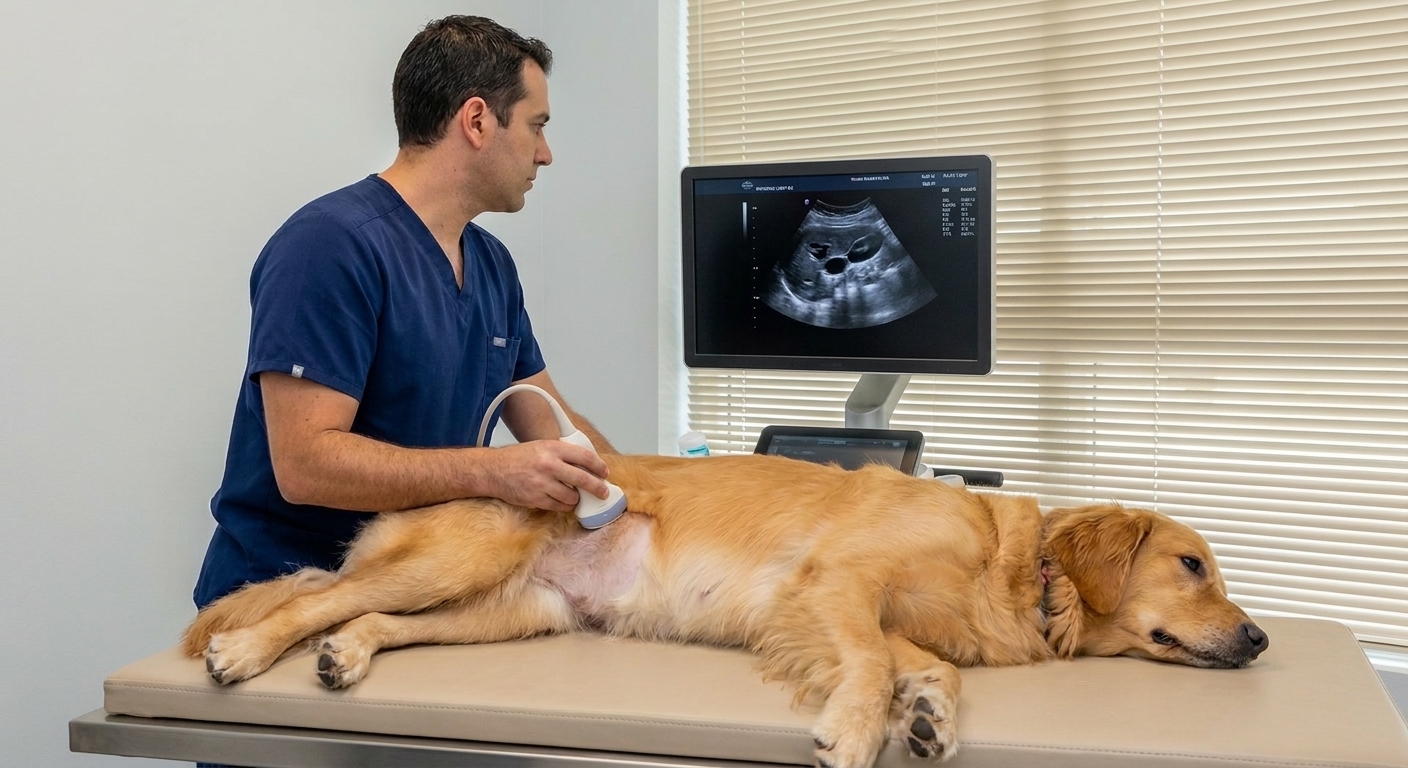
Ultrasound imaging gives us a live view of what's happening under your pet's skin. Organs, tissues, blood flow—all of it shows up in real time. No radiation. No guesswork. Just sound waves bouncing back with answers. And when something's wrong inside, waiting around for symptoms to worsen isn't a strategy. It's a gamble.
The Stuff X-Rays Miss
X-rays are great for bones and air-filled spaces. But soft tissue? That's where ultrasound earns its keep. Liver masses, kidney stones, fluid where it shouldn't be—none of that shows up clearly on film. Ultrasound fills in the gaps, giving your vet a detailed map of what's actually going on.
We're not talking about a hunch or a "let's wait and see" situation. We're talking about pinpointing the source of pain, bloating, vomiting, or lethargy before it turns into something worse. The earlier we catch it, the better your options look. And the less your pet suffers in the meantime.
What Triggers the Recommendation
Your vet doesn't suggest an ultrasound on a whim. There's usually a cluster of symptoms pointing toward internal trouble—or a physical exam that raises red flags. Sometimes it's the bloodwork that doesn't add up. Other times, it's a lump that needs clarity.
Here's when ultrasounds typically come into play:
- Persistent vomiting or diarrhea that isn't resolving with standard treatment
- Unexplained weight loss despite normal appetite
- Abdominal swelling or tenderness during palpation
- Abnormal lab results pointing to liver, kidney, or bladder dysfunction
- Suspected foreign body obstruction that won't show on an X-ray
Heart Issues Show Up Differently
Cardiac ultrasounds—echocardiograms—are in a category of their own. If your pet is coughing, breathing hard after minimal exertion, or collapsing without explanation, we need to see how the heart is functioning. Not just whether it's beating, but how well it's pumping, whether the valves are leaking, and if the chambers are the right size.
Certain breeds are predisposed to heart disease. Cavalier King Charles Spaniels, Dobermans, Boxers—they're all on the watch list. But heart problems don't discriminate. An echocardiogram catches issues early enough to manage them with medication, diet changes, or activity modification. Skip it, and you're flying blind.
Pregnancy Isn't Just About Counting Puppies
If your pet is expecting, ultrasound confirms it—and tells us a whole lot more. Fetal heartbeats. Gestational age. Whether the litter is developing normally. If complications are brewing, we want to know before labor starts, not during.
It's also the safest imaging option for pregnant animals. No radiation exposure. No risk to the developing pups or kittens. Just clear visuals that help us prepare for delivery and catch potential problems while there's still time to act.
Masses Need Identification
Your vet feels a lump during an exam. Now what? Is it a benign cyst? A lipoma? A tumor that needs immediate attention? Ultrasound shows us the shape, the borders, whether it's solid or fluid-filled, and if it's invading nearby structures.
Sometimes we can tell right away that it's nothing to worry about. Other times, we'll use ultrasound guidance to take a biopsy—pulling cells or fluid from exactly the right spot without unnecessary cutting. That sample goes to the lab, and we get a definitive answer.
What the Procedure Actually Looks Like
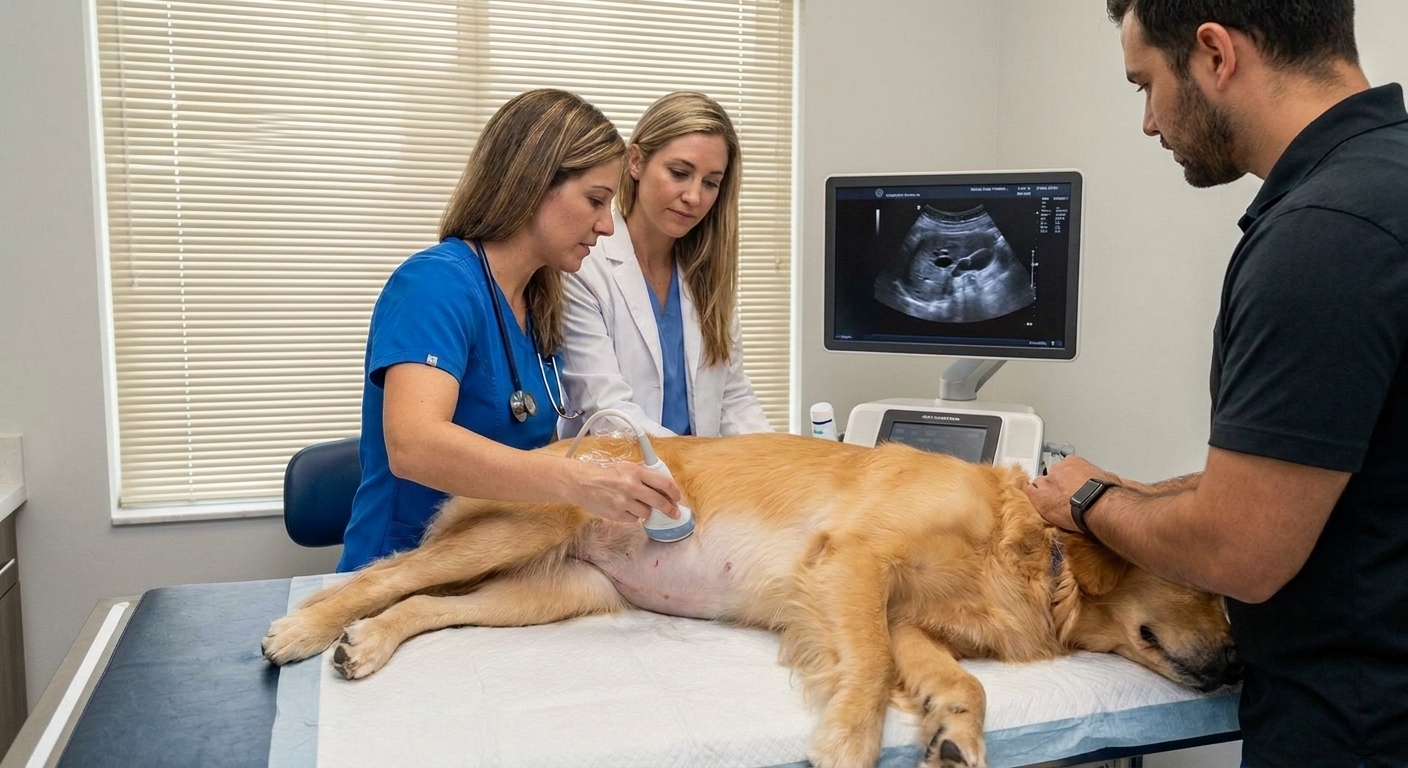
Most pets tolerate ultrasounds without sedation. We shave a patch of fur for better contact, apply gel to the skin, and move the probe across the area we're examining. The whole thing takes twenty to forty minutes, depending on what we're looking at.
If your pet is anxious or won't hold still, mild sedation keeps everyone calm and the images clear. You're usually welcome to stay in the room. We're not hiding anything, and your presence often helps your pet relax.
Why Doral Clinics Are Equipped for This
Not every vet office has ultrasound capabilities. But in Doral, the density of well-equipped veterinary services means you don't have to drive across the county for quality imaging. Advanced machines. Trained staff. Fast turnaround on results.
Here's what separates a solid ultrasound from a waste of time:
- Board-certified veterinarians or technicians trained specifically in ultrasound interpretation
- Modern equipment that produces high-resolution images, not grainy guesses
- Immediate review with the vet who knows your pet's history
- Ability to perform follow-up scans without scheduling weeks out
- Coordination with specialists if the findings require referral
The Safety Angle Matters
Ultrasound uses sound waves. No ionizing radiation. No anesthesia required in most cases. That makes it one of the safest diagnostic tools available, especially for young pets, senior animals, or those with compromised health. Even repeated scans carry no cumulative risk.
Compare that to exploratory surgery—which requires general anesthesia, incisions, recovery time, and expense—and ultrasound starts looking like the smarter first move. Not every problem needs a scalpel. Sometimes the answer is already visible if you know where to look.
When Time Matters More Than Comfort
Some conditions don't wait politely for you to schedule an appointment next week. Bloat. Internal bleeding. Urinary blockages. Ultrasound helps us make fast, informed decisions in emergency and urgent care situations.
Here's what emergency ultrasounds can detect on the spot:
- Free fluid in the abdomen, often a sign of internal bleeding or organ rupture
- Gastric dilatation-volvulus, where the stomach twists and traps gas
- Bladder stones or blockages preventing urination
- Splenic masses that may rupture without warning
- Gallbladder obstructions or bile duct problems
Guided Biopsies Cut Out the Guesswork
When we need tissue or fluid for lab analysis, ultrasound guidance turns a risky procedure into a controlled one. We watch the needle on-screen as it moves toward the target—no blind poking, no unnecessary trauma to surrounding organs.
This approach is especially useful for liver biopsies, kidney aspirates, and sampling fluid from the chest or abdomen. Results come back faster and more accurate because we're pulling from exactly the right spot. That means quicker diagnosis and a treatment plan that actually fits the problem.
Senior Pets Deserve Proactive Imaging
Older animals develop issues quietly. Kidney disease. Liver degeneration. Tumors that grow without obvious symptoms. By the time your senior pet shows clear signs of illness, the condition is often advanced.
Routine ultrasounds as part of senior pet wellness exams catch problems early. Early detection means more treatment options, better outcomes, and more quality time with your pet. Waiting until they're in crisis narrows your choices—and theirs.
How to Pick the Right Doral Clinic
Not all ultrasound services are created equal. You want a clinic where the staff actually knows how to interpret what they're seeing—not just capture images and send them off for review days later.
Ask these questions before booking:
- Who performs the ultrasound, and what's their training background?
- Will results be available the same day, or do they get sent out?
- Does the clinic handle follow-up imaging in-house if needed?
- What's the cost, and does it include the consultation afterward?
- Can they coordinate with specialists if the findings require advanced care?
Documentation Backs Up Every Finding
Ultrasound images become part of your pet's medical record. If you need a second opinion, switch vets, or seek specialist care, those images travel with you. They provide a baseline for comparison if follow-up scans are needed down the line.
Good clinics store images digitally and give you access to copies. That's not just convenient—it's essential if your pet's condition requires ongoing monitoring or if another provider needs to weigh in.
Acting Before Symptoms Spiral
We see it all the time. Pet owners wait until their animal is barely eating, visibly uncomfortable, or struggling to move before they call. By then, the ultrasound confirms what should have been caught weeks earlier.
Don't let guilt or cost concerns delay the scan. If your vet is recommending it, there's a clinical reason. Ignoring that recommendation doesn't save money—it just shifts the expense to emergency treatment later, when options are fewer and outcomes are worse.
Your Role in the Process
Show up on time. Follow pre-scan instructions if fasting is required. Stay calm—your pet picks up on your anxiety. Ask questions during the review. Take notes. If the findings are unclear or you're unsure about the next steps, say so.
This is your pet's health. You're allowed to ask for clarity, request a second look, or seek another opinion. But don't mistake hesitation for due diligence. If the ultrasound reveals something urgent, act on it.
Technology Meets Compassion
Ultrasound isn't just a machine—it's a window into problems you can't see and can't guess at. In Doral, you've got access to clinics that combine cutting-edge imaging with vets who actually care about outcomes. That combination matters more than you think. Because the best equipment in the world means nothing if the person interpreting the images doesn't know what they're looking at—or doesn't take the time to explain it to you. Your pet deserves both.
Let’s Give Your Pet the Best Care Possible
When it comes to your pet’s health, we believe in acting early and making informed decisions together. If you have questions about ultrasounds or want to schedule an appointment, let’s talk it through and find the answers your pet deserves. Call us at 305-477-7387 or contact us today—we’re here to help every step of the way.