

Pet Care Tips & Info
When Should Your Pet Get an ECG in Doral?
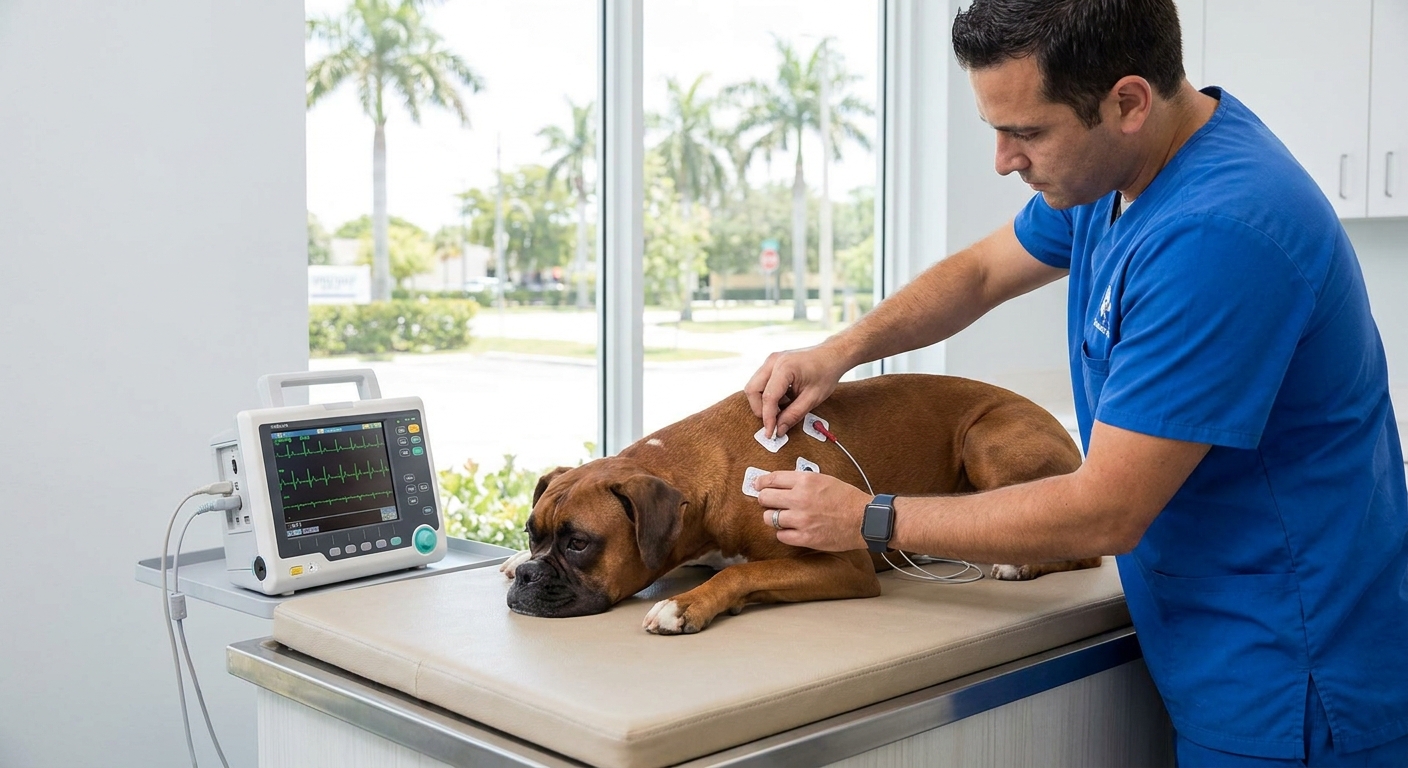
Most pet owners think heart tests are something you worry about later. Old dogs. Sick cats. Something down the road. But cardiac issues don't always announce themselves with dramatic symptoms — and if you're not watching for the quiet ones, you're rolling the dice. An ECG might not sound urgent until your vet detects an arrhythmia during a routine exam, or your pet collapses without warning.
So here's the reality. If your animal is showing even subtle signs of cardiac distress, waiting isn't a strategy. Every heartbeat leaves a pattern. Every abnormal rhythm can be caught early. And every decision about whether to run an ECG should be grounded in what your pet's body is telling you — not just what you assume is normal.
When a Heart Murmur Isn't Just Background Noise
Nine times out of ten, a murmur picked up during a checkup doesn't mean immediate danger. Your vet hears something irregular, notes it in the chart, and keeps an eye on it. That's standard. But not all murmurs are benign, and not all abnormal rhythms stay stable.
If that murmur gets louder, or if your pet starts showing signs of fatigue or shortness of breath, the picture changes fast. An ECG gives your vet a clear read on what's happening electrically. We've seen too many cases where owners thought a murmur was just part of aging — it wasn't. And when the rhythm finally broke down, the damage was already done.
The Electrical Activity You Can Actually Track
You can't diagnose a heart condition by watching your pet sleep — that's just guessing. But an ECG at our in-house laboratory? That's data. It captures the electrical signals firing through the heart muscle and shows whether those signals are firing in the right order, at the right speed, and without interruption.
Here's where that precision matters most:
- Unexplained fainting or weakness can point to arrhythmias that only show up under stress
- Chronic coughing might seem respiratory, but it can signal fluid buildup tied to heart failure
- Pre-surgical screenings catch rhythm issues before anesthesia becomes a risk
- Breeds like Boxers and Dobermans carry genetic predispositions that warrant baseline testing
- Monitoring known heart disease helps you adjust treatment before symptoms spiral
The Red Flags That Demand Attention
Think your pet just had a dizzy spell? Maybe. Or maybe their heart skipped several beats and their brain didn't get enough oxygen for a few seconds. Fainting, collapsing, or sudden lethargy aren't things you shrug off.
The clinical triggers for an ECG break down into a few categories:
- Irregular heartbeat detected during a physical exam
- Episodes of collapse or syncope with no clear cause
- Difficulty breathing or exercise intolerance that's getting worse
- Breed-specific risks in dogs prone to cardiomyopathy or conduction defects
- Pre-anesthetic evaluation for older pets or those with existing health issues
High-Risk Breeds Don't Get a Free Pass
Certain breeds come with a built-in cardiac risk profile. Cavalier King Charles Spaniels develop mitral valve disease at alarming rates. Dobermans are notorious for dilated cardiomyopathy. Boxers can have arrhythmogenic right ventricular cardiomyopathy that doesn't show symptoms until it's advanced.
If your pet falls into one of these categories, waiting for symptoms to appear is a gamble you don't need to take. Baseline ECGs establish what normal looks like for your individual animal. Follow-up testing tracks changes over time. It's not paranoia — it's smart preventive general health care that keeps you ahead of the curve.
What Happens During the Test
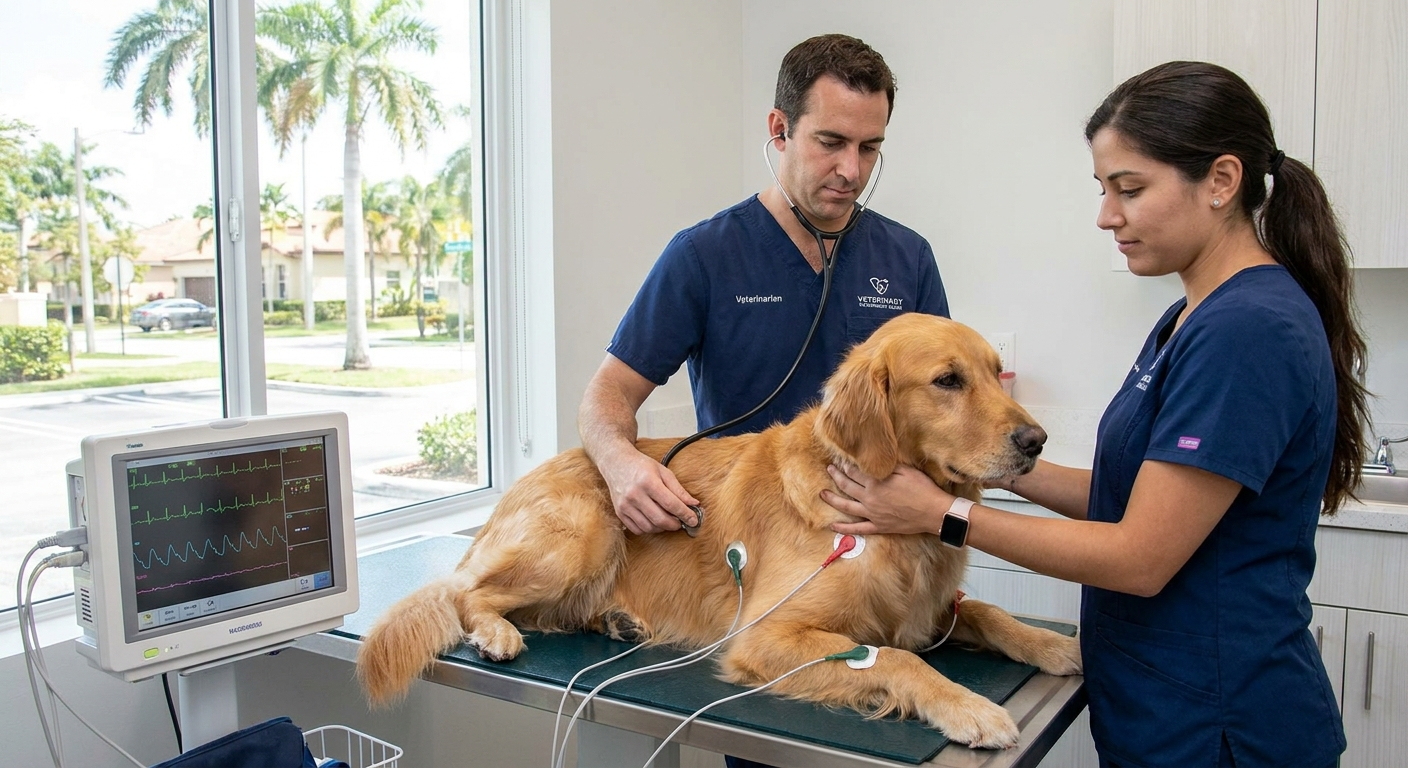
An ECG isn't invasive and it doesn't require sedation in most cases. Your vet will place small electrodes on your pet's skin, usually on the limbs and chest. The machine records the heart's electrical activity for a few minutes. Your pet might need to be gently restrained, but there's no pain involved.
Results come fast. Your vet can review the tracing immediately and determine whether the rhythm is normal or if further evaluation is needed. If something looks off, a referral to a veterinary cardiologist might be the next step. But you'll have answers — not just suspicions.
Where Most Pet Owners Go Wrong
Plenty of owners wait until their pet is visibly struggling to seek diagnostics. Coughing for weeks? "It's probably allergies." Tired after a walk? "They're just getting older." Occasional stumbles? "The floor's slippery."
These explanations might feel logical, but they're also convenient. And convenience doesn't catch heart disease early. If your vet recommends an ECG, there's a reason. Dismissing it because your pet "seems fine" is how manageable conditions turn into veterinary emergencies.
- Ignoring subtle symptoms until they're impossible to miss
- Skipping pre-surgical ECGs because the pet looks healthy
- Assuming breed risks don't apply to your specific dog or cat
- Waiting for a crisis instead of catching problems during routine care
Your Vet's Recommendation Isn't a Suggestion
If your veterinarian in Doral tells you an ECG is warranted, take it seriously. They're not upselling you on unnecessary tests. They're responding to clinical findings or risk factors that you might not fully understand yet. The goal isn't to scare you — it's to give you information that can guide treatment, adjust medications, or simply provide peace of mind.
Cardiac care isn't about waiting for your pet to collapse. It's about building a complete picture of their health so you're never caught off guard. An ECG is one piece of that picture, but it's a piece that can change everything. Don't wait for the symptoms to become undeniable. By then, you're playing catch-up instead of staying ahead.
Let's Keep Your Pet's Heart Healthy Together
We know how much your pet means to you, and staying proactive with their heart health can make all the difference. If you have any concerns or your vet has recommended an ECG, let's talk it through and make sure your pet gets the care they deserve. Give us a call at 305-477-7387 or contact us today to schedule an appointment and take the next step in protecting your pet's well-being.