
Pet Care Tips & Info
What Causes Bad Breath in Pets?
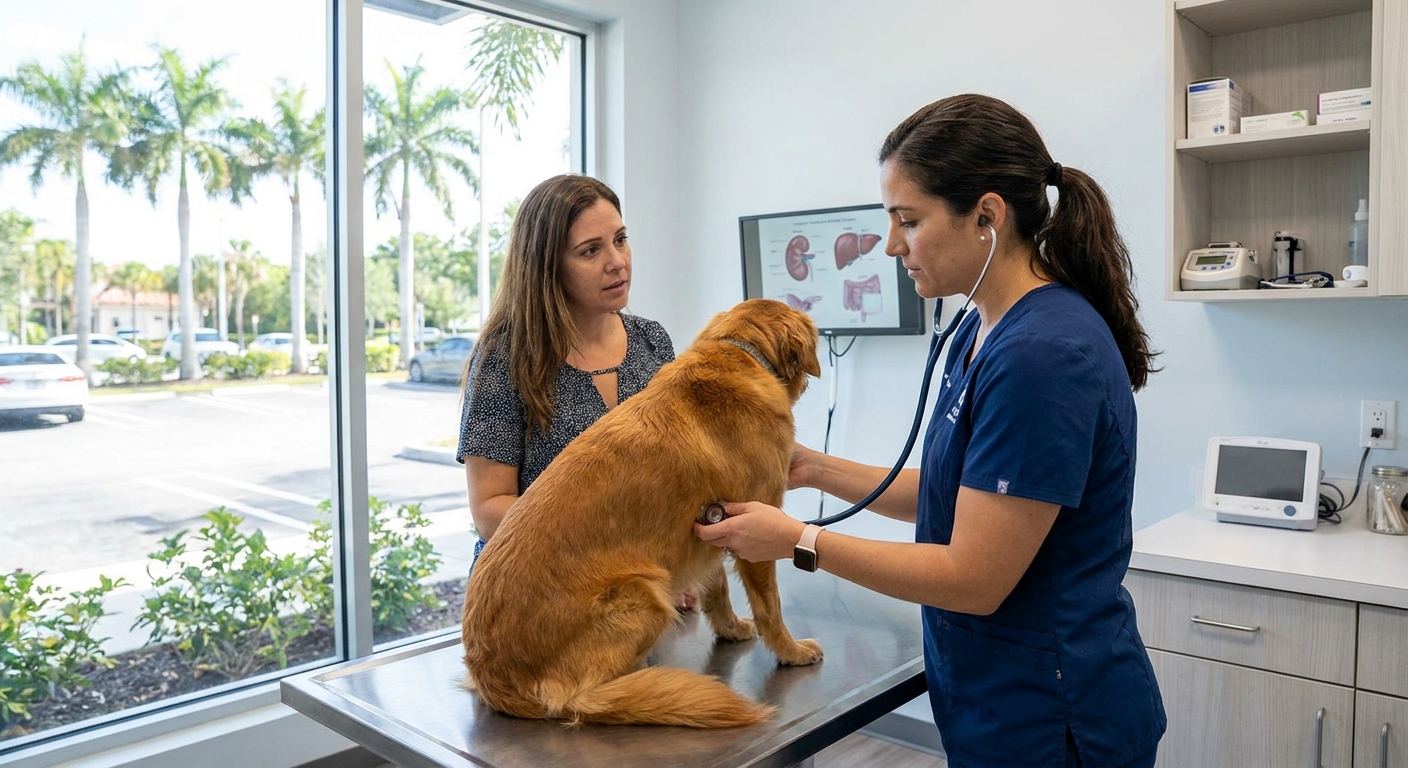
Most pet owners assume bad breath means tartar and plaque. Brush more, get a dental cleaning, problem solved. But sometimes the smell isn't coming from the teeth at all. It's coming from somewhere deeper — and ignoring it can mean missing a serious health issue until it's too late. The mouth is just the exit point. What's happening inside the body is what really matters.
Your pet's breath tells a story. Sometimes it's about what they ate. Other times, it's a warning sign that something's failing — kidneys, liver, gut, even blood sugar regulation. If the odor doesn't improve with brushing your pet's teeth or if it smells chemical, sweet, or rotten in a way that doesn't match leftover kibble, we need to look past the gums.
What Goes In Doesn't Always Come Out Clean
Pets eat things they shouldn't. Garbage, roadkill, feces, dead bugs — it's all fair game in their world. And when that material sits in the stomach or gets stuck between teeth, it ferments. The smell that follows isn't dental disease. It's decomposition happening in real time.
Even commercial diets can contribute if your pet has a sensitivity or if the food doesn't agree with their digestive system. Low-quality ingredients, high fat content, or rapid diet changes can all lead to gut imbalance and foul breath that won't go away with a toothbrush. We've seen it dozens of times — owners scrubbing teeth daily while the real issue is what's on the ingredient label.
- Eating garbage or spoiled food introduces bacteria and rot
- Coprophagia brings fecal bacteria into the mouth
- Foreign objects lodged in teeth or throat decay and smell
- Food allergies or sensitivities disrupt digestion and create odor
- Low-quality diets with fillers can ferment in the stomach
When the Gut Sends Signals Through the Mouth
Digestive trouble doesn't stay contained. Gas, acid, and bacteria all have a way of making their presence known through breath. Gastroesophageal reflux, inflammatory bowel disease, and intestinal blockages all create environments where bad-smelling compounds build up and escape when your pet pants or yawns.
Chronic vomiting or regurgitation adds another layer. Stomach acid erodes enamel and leaves behind residue that smells sour or acidic. If your pet's breath has that sharp, bile-like edge, the problem isn't on the surface. It's coming from the digestive tract, and no amount of dental care will fix it until the underlying issue is addressed.
- Reflux pushes stomach acid into the esophagus and mouth
- Gastritis inflames the stomach lining and changes odor output
- Blockages trap food and cause bacterial overgrowth
- Chronic vomiting leaves acid residue on teeth and gums
- Inflammatory bowel disease disrupts normal digestion and gas production
The Kidneys Stop Filtering and the Breath Shows It
When kidney function declines, waste products that should leave the body through urine start circulating in the bloodstream. One of those waste products is urea, which breaks down into ammonia. That ammonia gets exhaled, and the result is breath that smells like urine or cleaning chemicals. It's unmistakable once you've smelled it.
Kidney disease is progressive and often silent in early stages. By the time the breath changes, the kidneys are already compromised. Catching it early means regular bloodwork, not waiting until the smell becomes obvious. And once it's there, the focus shifts to management — not cure.
- Uremia causes ammonia-scented breath
- Toxins build up when kidneys can't filter properly
- Breath smells chemical or urine-like
- Often accompanied by increased thirst and urination
- Requires bloodwork to confirm and monitor
Uncontrolled Blood Sugar Changes the Smell
Diabetes doesn't just affect energy and weight. When glucose isn't processed correctly, the body starts breaking down fat for fuel. That process creates ketones, and ketones have a distinct odor — sweet, fruity, sometimes described as nail polish remover. If your pet's breath smells like that, it's not a dental issue. It's metabolic.
Diabetic ketoacidosis is a medical emergency. The sweet smell is a red flag that the body is in crisis mode. Combined with excessive thirst, frequent urination, or lethargy, it demands immediate veterinary attention. This isn't something you wait out or try to manage at home.
- Ketones produce a sweet or fruity breath odor
- Uncontrolled diabetes triggers fat breakdown
- Breath may smell like acetone or nail polish remover
- Often paired with weight loss and increased water intake
- Requires urgent veterinary intervention if ketoacidosis develops
Respiratory Problems Create Their Own Odor
Infections in the sinuses, nasal passages, or throat don't just cause discharge. They create pockets of bacteria and pus that smell rotten. Pets with chronic respiratory infections often have breath that carries that infection odor, even if their teeth are clean. Tumors, polyps, or foreign material stuck in the nasal cavity can also decay and produce a similar smell.
If your pet is sneezing, pawing at their face, or has visible nasal discharge along with bad breath, the source isn't in the mouth. It's higher up. These conditions need imaging and sometimes endoscopy to diagnose, and they won't resolve without targeted treatment.
- Sinus infections produce bacterial odor
- Nasal discharge carries infection smell into the mouth
- Tumors or polyps can become necrotic and foul-smelling
- Foreign objects lodged in nasal passages decay over time
- Chronic respiratory disease creates persistent halitosis
Liver Dysfunction Leaves a Signature Scent
The liver filters toxins and metabolizes waste. When it's not working, those toxins circulate and affect every system — including breath. Liver disease often produces a musty, foul odor that's hard to describe but impossible to miss. It's not fruity, not ammonia-like, just wrong.
Jaundice, vomiting, diarrhea, and lethargy often accompany liver-related bad breath. Bloodwork will show elevated liver enzymes, and treatment depends on the underlying cause — whether it's infection, toxicity, or chronic disease. Catching it early improves outcomes, but once the breath changes, the liver is already struggling.
Get the Diagnosis Before You Guess
Bad breath that doesn't respond to dental care is a symptom, not a standalone problem. Brushing won't fix kidney failure. Dental chews won't reverse diabetes. And ignoring the smell because "dogs just have bad breath" means missing the chance to intervene before the condition worsens.
Veterinary diagnostics — bloodwork, urinalysis, imaging — are what separate guessing from knowing. We've worked with enough pet owners to know that waiting rarely pays off. The sooner you get answers from a veterinarian, the more options you have. And the more time your pet has to respond to treatment. Don't let bad breath be the thing you wish you'd taken seriously sooner.
Let’s Keep Your Pet Healthy and Happy
We know how much your pet means to you, and we’re here to help you get to the bottom of any health concern—including unexplained bad breath. If you’re noticing changes in your pet’s breath or behavior, let’s work together to find answers and keep your companion feeling their best. Give us a call at 305-477-7387 or contact us today to schedule a visit and get peace of mind for you and your pet.