
Pet Care Tips & Info
Can Pet CT Scans in Doral Find Problems Other Tests Miss?
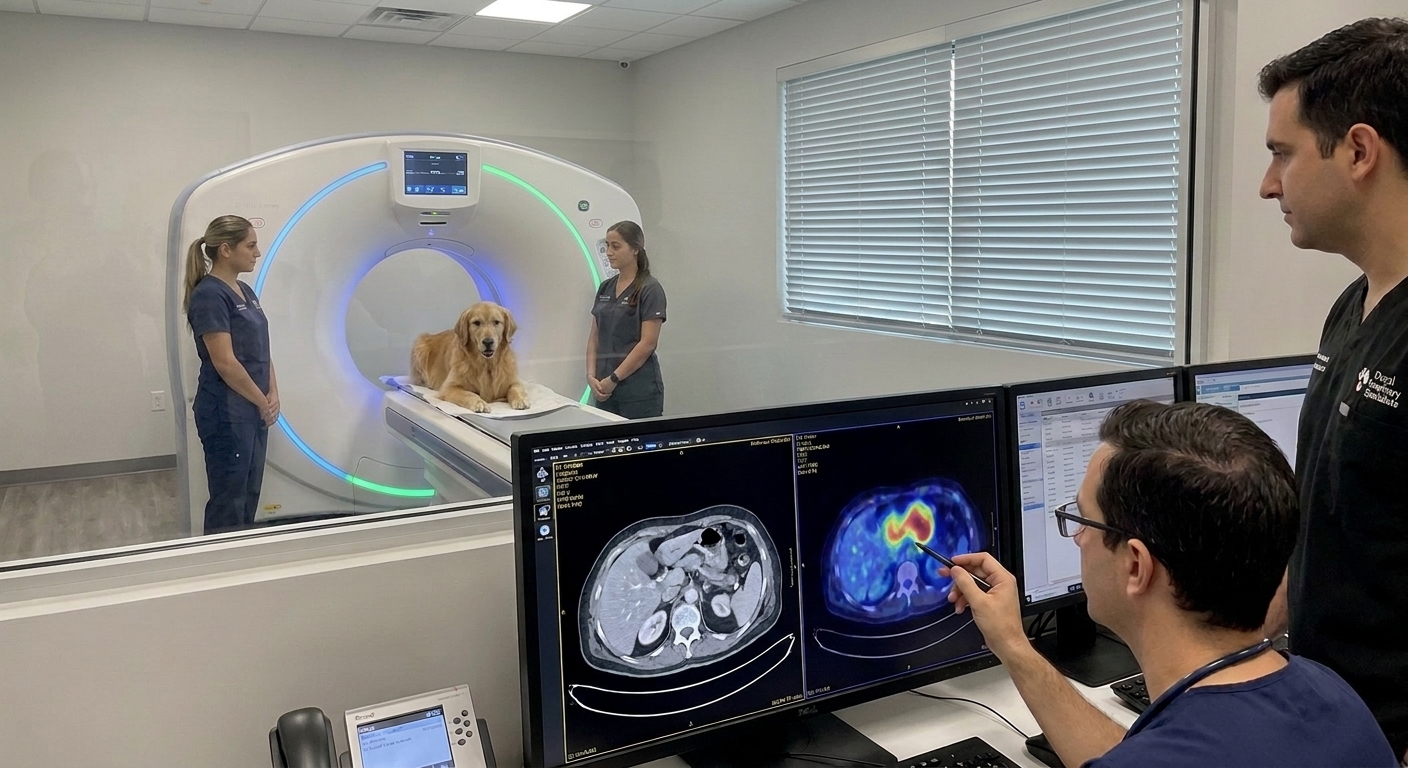
Most imaging looks at the surface. Size, shape, location. But some problems don't announce themselves that way. They hide behind normal-looking tissue and wait for you to find them the hard way. PET CT scans don't just show what's there—they show what's happening. And if something's metabolically off, even before it changes structure, this scan will catch it.
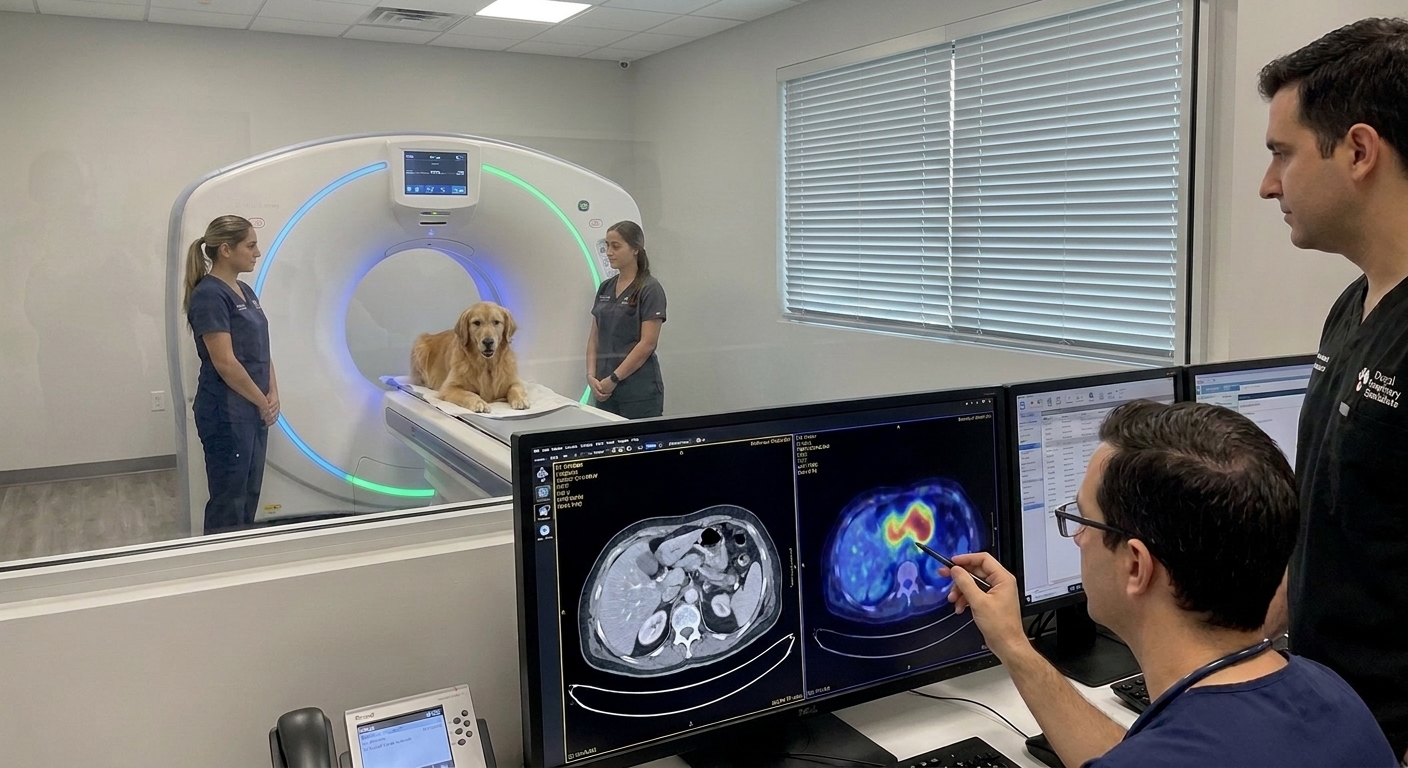
So here's what matters. If you're dealing with something serious—cancer, heart disease, neurological changes—you want a tool that sees beyond the obvious. Other scans have their place. But when you need to know if something's brewing before it shows up on the usual tests, PET CT is where you turn. Especially in Doral, where access to advanced veterinary imaging doesn't mean waiting weeks or driving hours.
What Makes PET CT Different from the Standard Lineup
PET CT isn't just another imaging option. It's two technologies working in tandem. The PET side tracks metabolic activity using a radioactive tracer—sounds scary, it's not—and the CT side delivers the anatomical detail. Together, they give doctors a full picture of what's going on inside your body, not just a snapshot of what things look like.
That distinction matters more than most people realize. A traditional CT or MRI might miss a tumor if it hasn't altered tissue structure yet. But if that tumor is metabolically active? PET picks it up. That's why oncologists lean on it. That's why cardiologists trust it. And that's why neurologists order it when they need clarity on brain function, not just brain shape.
Where Other Scans Fall Short
X-rays, ultrasounds, standard CT and MRI scans—they all have strengths. But they share a common limitation. They show you what's changed structurally. They don't tell you what's changing metabolically. And that gap can cost you time.
A tumor that hasn't grown large enough to deform surrounding tissue might still be burning through glucose like a wildfire. A heart muscle that looks fine on a standard scan might be starving for oxygen. A brain region that appears normal could be lighting up with abnormal metabolic patterns. PET CT bridges that gap. It sees the fire before the smoke.
The Problems PET CT Catches Early
This scan doesn't just confirm what other tests already found. It uncovers what they didn't. And in medicine, earlier almost always means better outcomes.
- Cancer Before It's Visible: PET CT spots malignant cells based on their metabolic signature, even when tumors are too small for other scans to detect. That head start can change everything.
- Metastasis You Didn't Know About: Cancer spreads. PET CT shows where, even when CT or MRI come back clean. That intel shapes your treatment plan before the disease gets ahead of you.
- Recurrence After Treatment: Remission is great. Uncertainty is not. PET CT tells you if cancer is back, even when other imaging gives you no clear answer.
- Heart Muscle That's Struggling: Blood flow issues don't always show up on standard cardiac tests. PET CT reveals areas of reduced function, helping doctors intervene before damage becomes permanent.
- Brain Changes Ahead of the Curve: Alzheimer's, epilepsy, certain dementias—they alter brain metabolism before they alter brain structure. PET CT catches those shifts early, when treatment options are still on the table.
Why Doral Is the Place to Get This Done
Access matters. Equipment matters. Expertise matters more. Doral has all three. The imaging centers here run the latest PET CT technology, and they're staffed by radiologists and technologists who know what they're looking at. You're not getting rushed through. You're not getting outdated equipment. You're getting precision.
And the patient experience? It's built around clarity and comfort. You'll understand what's happening, what the results mean, and what comes next. That's not a luxury—it's the baseline. When you're already dealing with a serious diagnosis or the fear of one, the last thing you need is confusion or cold professionalism.
When You Should Push for a PET CT
Not every ache or odd symptom warrants advanced imaging. But if you're facing a complex medical issue—especially cancer, cardiac problems, or neurological concerns—this scan can provide answers that other tests won't. Don't wait for symptoms to escalate or for other imaging to come back inconclusive.
Talk to your doctor. Ask if PET CT makes sense for your situation. If there's a chance it could detect something early, or clarify something ambiguous, it's worth having the conversation. The goal isn't to over-test. It's to test smart.
The Documentation You'll Need
Insurance can be tricky with advanced imaging. You'll want to make sure your scan is medically justified and properly documented. That usually means:
- A referral from your primary care physician or specialist
- Clear clinical reasoning for why PET CT is necessary over other imaging
- Prior imaging results, if applicable
- Any relevant medical history that supports the need for metabolic imaging
What Happens During the Scan
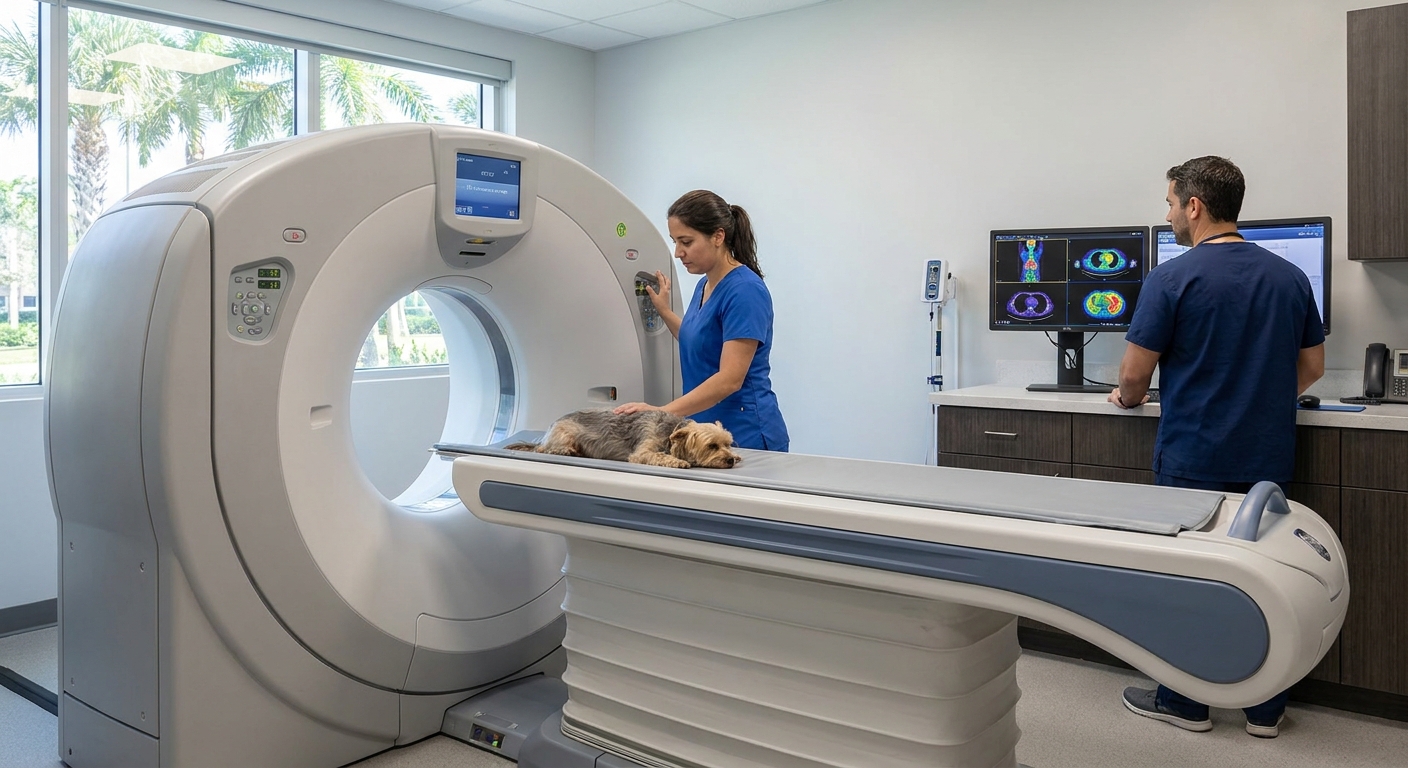
The process is straightforward. You'll be given a small dose of radioactive tracer—usually through an IV. Then you wait about an hour while your body absorbs it. After that, you lie still on a table while the scanner does its work. The whole thing takes a couple of hours, start to finish.
No pain. No surgery. Just lying still and letting the machine collect data. The radioactive tracer leaves your system quickly, and the radiation exposure is minimal—comparable to other standard imaging tests.
Common Misconceptions About PET CT
Some people hear "radioactive" and panic. Others think PET CT is overkill. Neither is true. The tracer used in PET scans is safe, short-lived, and closely monitored. And while PET CT isn't necessary for every medical issue, when it is necessary, nothing else does the job as well.
- It's not just for cancer: PET CT is used across cardiology, neurology, and infectious disease.
- It's not dangerous: The radiation dose is low and the benefits far outweigh the risks in appropriate cases.
- It's not experimental: PET CT is a well-established, FDA-approved diagnostic tool used worldwide.
Questions to Ask Your Doctor
Before you schedule a PET CT scan, make sure you understand why it's being ordered and what it's looking for. Good questions to ask include:
- What are you hoping to find or rule out with this scan?
- How will the results change my treatment plan?
- Are there other tests that could provide the same information?
- What happens if the scan finds something unexpected?
- Will my insurance cover this, and do I need prior authorization?
Getting Ahead of the Problem
Advanced imaging isn't about fear. It's about information. And when it comes to serious health issues, the earlier you have solid information, the more options you have. PET CT scans in Doral give you that edge—the ability to see metabolic changes before they become structural disasters. That's not overkill. That's strategy.
If you're facing a diagnosis that demands clarity, or if other tests haven't given you answers, ask about PET CT. The technology is here. The expertise is here. And the difference it makes in catching problems early is real. Don't wait for the obvious signs. Find out what's happening now, while you can still do something about it.
Let’s Take the Next Step Together
When it comes to your pet’s health, waiting for answers isn’t an option. We believe in acting early and giving you the clarity you deserve. If you’re ready to explore advanced imaging or have questions about PET CT scans in Doral, let’s connect and make sure your pet gets the best care possible. Call us at 305-477-7387 or contact us today to get started.